saarloos
genetics
.org
is coming soon
The Saarlooswolfdog combines a narrow genetic base with a small population size. Together, these two factors have consequences over generations: genetic diversity declines, average relatedness increases, inbreeding rises, and the risk of problems (health, fertility, robustness, immunity) grows.
SaarGen is a structured outcross program aimed at sustainably expanding the genetic pool of the Saarlooswolfdog.
SaarGen also aims to shape the Saarloos’ temperament: a less exclusive dog, more stable and better suited to family life. Greater adaptability for broader appeal.
Without a growing population, you can’t realistically hope to achieve long-term stability in a breed’s health and genetics.
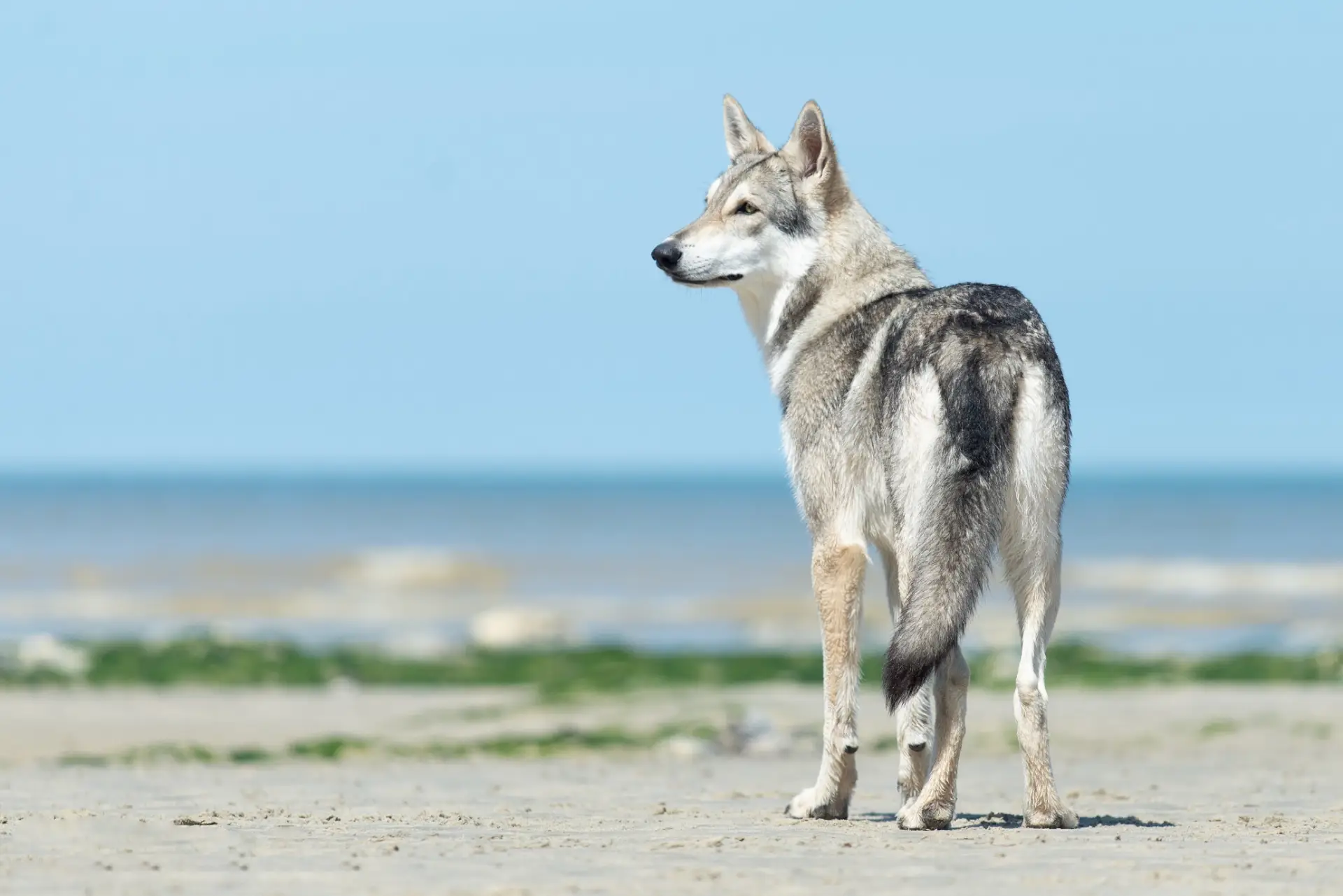

A structured outcross program to restore the genetic diversity of the Saarlooswolfdog.
Science & Data
Decisions guided by genetic and pedigree data, measurable targets, multi-generation monitoring, and adjustments based on results.
Transparency & Collaboration
Protocols, criteria, tests, and results are published. Full traceability of founder lines and breeding decisions. A collaborative, science-driven project open to individuals, breeders, veterinarians, and geneticists.
Health & Adaptability
Health, emotional stability, and family adaptability. Responsible selection and monitored socialization.
Ethology
Selection of breeding dogs and puppies based on demanding ethological criteria, to develop a Saarloos with a less sensitive temperament and a character that adapts more easily to family life.
Key genetic indicators
of founders
(fe)
average
genetic
diversity
average
inbreeding
coefficient
founders
of the
breed
Join us!
Sign up for the newsletter to stay informed about website updates and upcoming articles, offer your skills, take part in the rescue program, or apply for a SaarGen puppy.
Learn more
On the occasion of the ABNF breed club’s 2024 National Breeding Show, the Saarloos Commission organized a conference to raise awareness about the situation of the Saarlooswolfdog.
Watch the recording of this conference to understand the findings, the figures, and the possible courses of action.
Although the figures discussed during this conference relate to the Saarlooswolfdog, the breeding issues raised apply to all small-population breeds.
- Trends in Births in France
- Effective Population Size
- Calculate a 5G Pedigree Inbreeding Coefficient
- How Many Generations Should Be Considered?
- EMBARK Genetic Inbreeding Coefficient
- Number of Historical Founders
- Hereditary Diseases
- Calculate AVK (Ancestor Loss Coefficient)
- The Extinction Vortex
Frequently Asked Questions
“Outcrossing is just crossing dogs and losing the Saarloos type.”
No. Outcrossing is first and foremost, about introducing genetic diversity. It is neither "random crossbreeding" nor "crossing and backcrossing in a loop". It is a structured program whose goal is to produce a Saarlooswolfdog with satisfactory genetic diversity and with its type preserved.
“Outcrossing will inevitably introduce diseases.”
Myth. Risk exists in any breeding program. Here, we are not introducing "new diseases"; we are introducing new allele frequencies through strict selection of individuals, health screening and follow-up of descendants. The gain in genetic diversity will reduce the risk of recessive diseases being expressed.
“We can achieve the same thing by selecting better within the breed.”
Better selection can only slow the loss of diversity, it cannot create new diversity. In the Saarlooswolfdog today, genetic diversity is extremely limited: the effective number of founders (Fe) is 4.395 and the effective number of ancestors (Fa) is 4.362. In practical terms, that means the gene pool is effectively concentrated into the equivalent of only a few key contributors (~4). Slowing the decline isn’t enough. : SaarGen increases diversity so breeders can keep selecting under far better conditions than they have today.
“Which breeds will you choose?”
SaarGen does not “select breeds” but it selects individuals: verified health, compatible temperament, and high measured genetic diversity. What matters is what the dog brings to the gene pool, not the breed name.
“We can just import new Saarloos lines; there’s no need for outcrossing.”
Helpful but when it’s possible... With the Saarloos, you quickly run out of options because the population is small. In practice, we’ve been going in circles for generations. All known lines share the same ancestors at scale.
“Is SaarGen officially approved by the Société Centrale Canine (SCC)?”
Yes. The SCC has authorized the implementation of a rescue plan for the Saarlooswolfdog. The LOF studbook will remain open for the entire duration of the outcross program, and the Initial Titles registrations will remain available. SaarGen puppies from the first generations will be registered in an annex. SaarGen will assess the conformity of later-generation puppies and propose their reintroduction into the LOF via the confirmation process.
“Outcrossing is cheating the breed standard.”
No. Outcrossing is a phase of genetic introduction; conformity to type is rebuilt progressively through defined criteria, selection, and traceability.
“Once outcrossed, it will never be a purebred Saarloos again."
“Purebred” is a registration concept, not a biological one. What matters is whether the dogs consistently meet the agreed Saarloos type and health criteria - and whether they qualify for re-entry under the stud book rules. SaarGen is built around those criteria, tracked and verified over multiple generations.
“It will ruin the breed’s reputation.”
The real reputational risk is doing nothing while the genetic base remains narrow. Transparency and published results build trust.
"We'll increase the population size, so we'll lower quality".
Producing “less but better” makes no sense if health is non-negotiable. A small population size does not meet the minimum viability requirements for a population to persist long-term without extinction due to genetic drift, inbreeding, random demographic fluctuations, or environmental pressures. On the contrary, we need to produce more and better.We can aim for a larger population while keeping high standards through strict selection, clear criteria, long-term monitoring, and responsible owner education.
“The breed is in danger, so we must rush to launch an outcross program and get fast results.”
Yes, the breed is under pressure, but “moving fast” must not mean “moving blindly.” Urgency means acting now, not breeding irresponsibly. SaarGen speeds up what can be sped up (framework, criteria, studies, etc.) but refuses shortcuts that would create irreversible problems (health, temperament, loss of type). Early diversity gains may appear from the first generation, but long-term stability and serious validation require several generations and strict monitoring.
“Anyway, the breed is doomed. We might as well let it disappear.”
No. Calling it “doomed” is an emotional conclusion, not a diagnosis. There are still measurable levers: genetic diversity, health, selection, and a well-managed outcross. Giving up guarantees disappearance; acting gives a real chance. SaarGen chooses a responsible, transparent, multi-generation approach.
is an ABNF project supported by the Société Centrale Canine.